Welcome to BPharm Guru
BPharm Guru is a free educational platform for B.Pharmacy students in India, and our entire website is built on the new B.Pharm syllabus (PCI NEP 2020), implemented from the 2026-27 academic session. Every semester, subject and subject code you see here follows the new PCI B.Pharm curriculum.
SEMESTER – 1
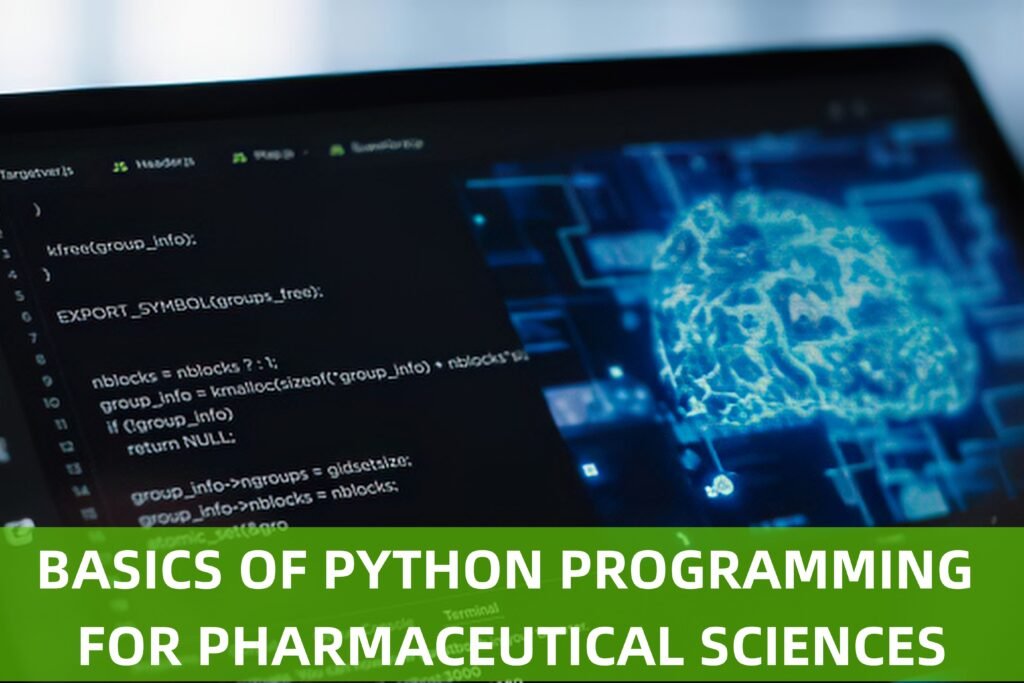


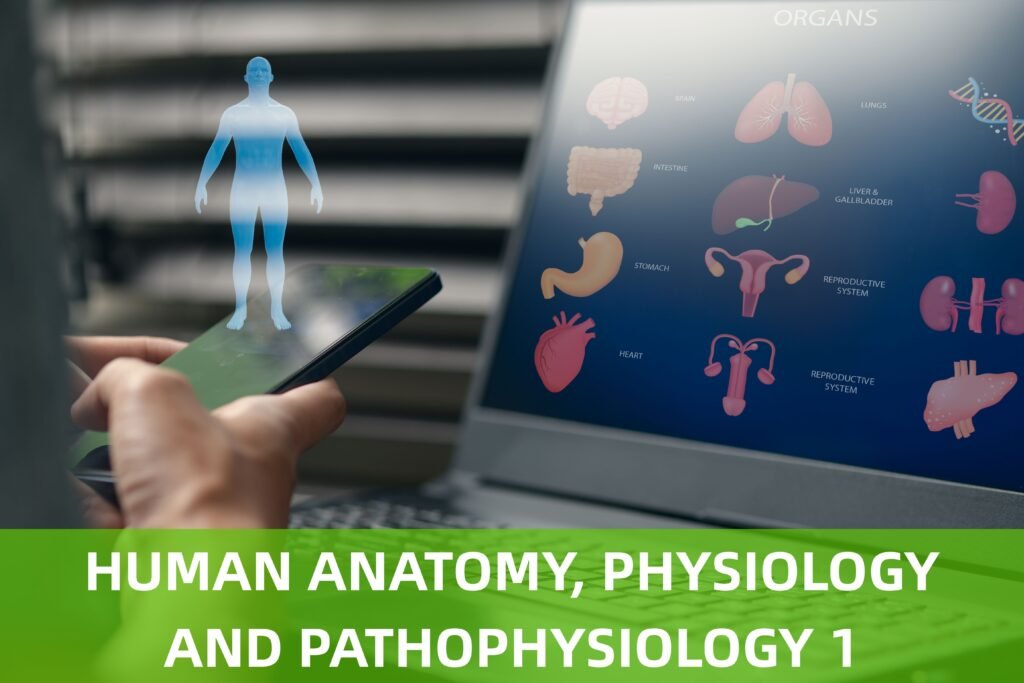
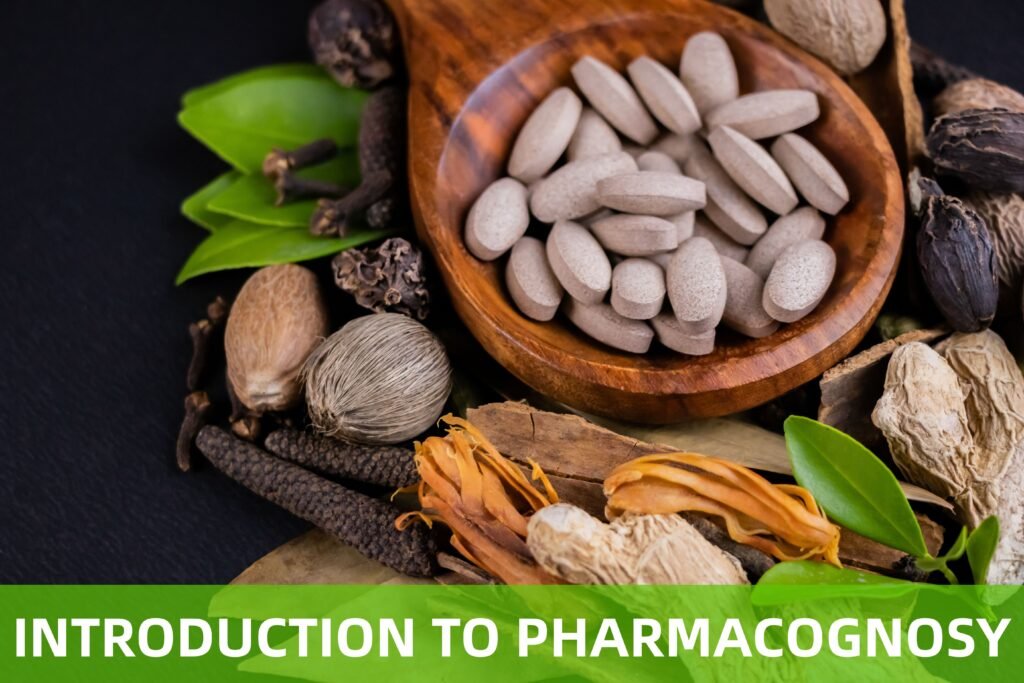
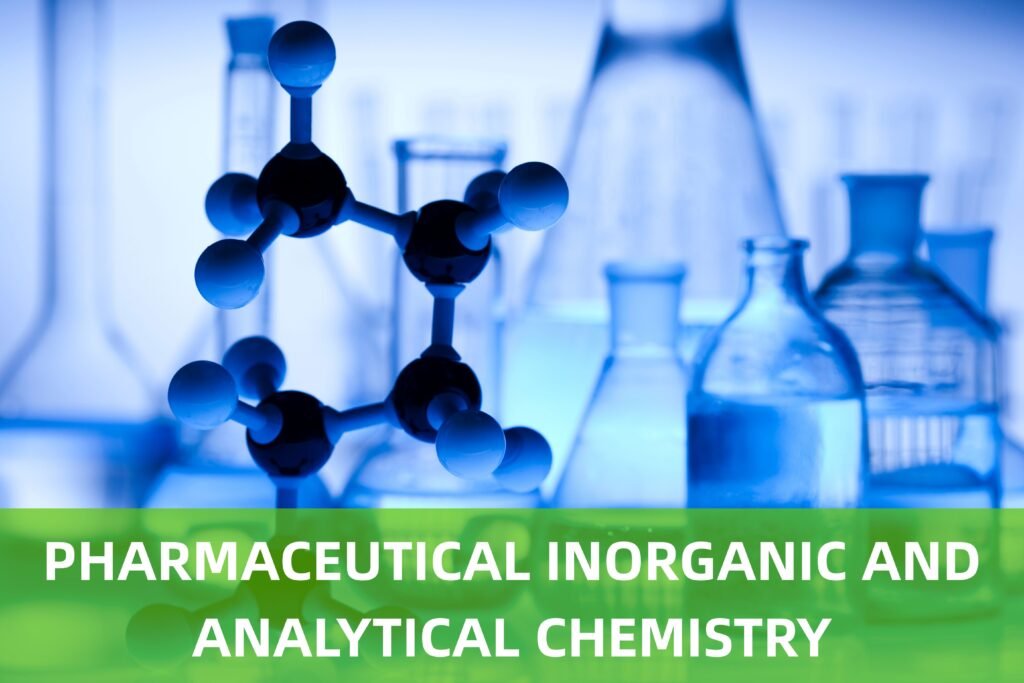
Your B.Pharm journey starts here! Explore clear, student-friendly theory notes for the new B.Pharm syllabus (NEP 2020) Semester 1 subjects: BP101T Basics of Python Programming for Pharmaceutical Sciences, BP102T General Pharmacy, BP103T Healthcare Psychology and Communication Skills, BP104T Human Anatomy, Physiology and Pathophysiology I, BP105T Introduction to Pharmacognosy, and BP106T Pharmaceutical Inorganic and Analytical Chemistry—everything you need to build a strong foundation for your B.Pharm studies. Notes for BP101T (Basics of Python Programming) are live now, and the remaining subjects are being added.
New B.Pharm Syllabus 2026-27 (PCI NEP 2020): What Has Changed?
The Pharmacy Council of India (PCI) has introduced a revised, NEP 2020-aligned B.Pharm syllabus, to be implemented by institutions from the 2026-27 academic session. BPharm Guru is organised entirely around this new syllabus, so you can find study material by semester, subject and subject code. Please check your university’s circulars to see how the new syllabus applies to your batch.
Key Highlights of the New B.Pharm Syllabus (2026-27)
- 8 semesters (4 years) for regular students and 6 semesters (3 years) for lateral entry from D.Pharm.
- Choice Based Credit System (CBCS) under NEP 2020, with a minimum of 193 credits required for the degree.
- New courses such as Basics of Python Programming (Semester I), Applied Biostatistics and Data Analytics (Semester II) and Introduction to Machine Learning in Pharmaceutical Sciences (Semester III).
- Mandatory internships in Semesters IV and VI.
- Research projects in Semesters VII and VIII.
- Greater emphasis on practical learning, AI and digital skills, industry exposure and innovation.
B.Pharm Semester 1 Subjects: New Syllabus (PCI NEP 2020)
| Course Code | Subject (New Syllabus) | Credits |
|---|---|---|
| BP101T | Basics of Python Programming for Pharmaceutical Sciences | 2 |
| BP102T | General Pharmacy | 3 |
| BP103T | Healthcare Psychology and Communication Skills | 1 |
| BP104T | Human Anatomy, Physiology and Pathophysiology I | 4 |
| BP105T | Introduction to Pharmacognosy | 3 |
| BP106T | Pharmaceutical Inorganic and Analytical Chemistry | 3 |
| BP107P to BP111P | Five practical courses | 5 |
Old vs New B.Pharm Syllabus: What Is Different?
| Area | Old B.Pharm Syllabus | New B.Pharm Syllabus (NEP 2020) |
|---|---|---|
| Semester 1 theory subjects | Human Anatomy and Physiology I, Pharmaceutical Analysis I, Pharmaceutics I, Pharmaceutical Inorganic Chemistry, Communication Skills, Remedial Biology/Mathematics | Basics of Python Programming, General Pharmacy, Healthcare Psychology and Communication Skills, Human Anatomy, Physiology and Pathophysiology I, Introduction to Pharmacognosy, Pharmaceutical Inorganic and Analytical Chemistry |
| Computing and data skills | Computer Applications in Pharmacy; Biostatistics and Research Methodology | Basics of Python Programming (Sem I), Applied Biostatistics and Data Analytics (Sem II), Machine Learning in Pharmaceutical Sciences (Sem III) |
| Credit structure | Credit-based scheme under the earlier PCI regulations | CBCS aligned with NEP 2020, minimum 193 credits |
| Applicable from | Batches admitted before the change | 2026-27 academic session onwards, as implemented by your university |
New B.Pharm Syllabus FAQs
When does the new B.Pharm syllabus start?
The Pharmacy Council of India has asked institutions to implement the new NEP 2020-aligned B.Pharm syllabus from the 2026-27 academic session. How it applies to your batch depends on your university, so check its official circulars.
What are the first semester subjects in the new B.Pharm syllabus?
Semester 1 has BP101T Basics of Python Programming, BP102T General Pharmacy, BP103T Healthcare Psychology and Communication Skills, BP104T Human Anatomy, Physiology and Pathophysiology I, BP105T Introduction to Pharmacognosy, BP106T Pharmaceutical Inorganic and Analytical Chemistry, plus five practical courses (BP107P to BP111P).
Is Python part of the new B.Pharm syllabus?
Yes. Basics of Python Programming (BP101T, 2 credits) is a prescribed Semester 1 course in the new PCI syllabus. BPharm Guru already has notes for it.
How many semesters and credits are there in the new B.Pharm syllabus?
The programme has 8 semesters (4 years), or 6 semesters (3 years) for lateral entry, with a minimum of 193 credits under the Choice Based Credit System.
What new subjects were added to the B.Pharm syllabus?
New courses include Basics of Python Programming (Semester I), Applied Biostatistics and Data Analytics (Semester II) and Introduction to Machine Learning in Pharmaceutical Sciences (Semester III), along with internships in Semesters IV and VI and research projects in Semesters VII and VIII.
Is BPharm Guru based on the old or the new B.Pharm syllabus?
BPharm Guru is organised entirely around the new PCI B.Pharm syllabus (NEP 2020), using the new subject names and codes.
Disclaimer
“BPHARM GURU is an educational platform for pharmacy students based on the PCI syllabus. The study materials, notes, and drug information provided here are strictly for academic and exam preparation purposes. Content on this site must not be used as medical advice, diagnosis, or treatment.”